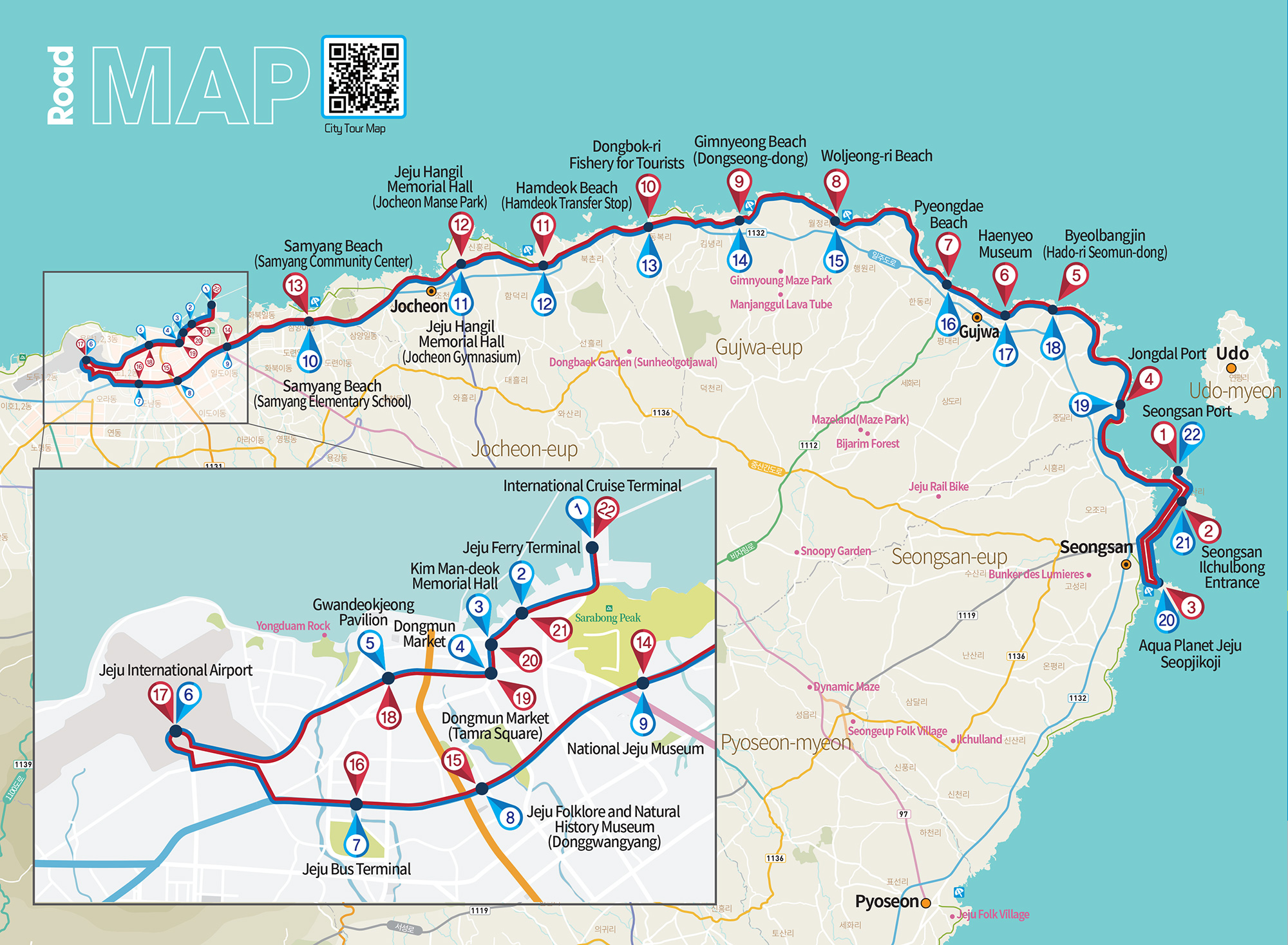
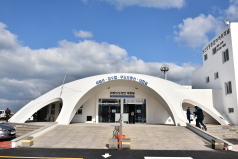
The port is located on the eastern tip of Jeju Island. It serves as a base
for coastal cargo handling and coastal fishing, primarily sand and citrus.
When you go to Udo Island, you need to use Seongsan Port.
Udo Island, Udo submarine
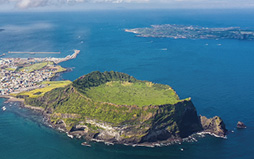
Seongsan Ilchulbong, or Sunrise Peak, is 182m
above sea level and erupted underwater about
5,000 years ago. It was designated as a Natural
Monument on July 19,2000 and was subsequently
recognized for its outstanding geological value by
UNESCO when it was added to the World Natural
Heritage List on July 2, 2007.
Gwangchigi Beach
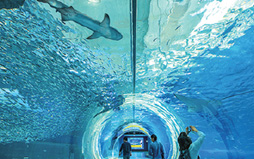
Aqua Planet Jeju is one of the largest aquariums
in Asia, with a total floor area of 25,600m² and tanks
holding 10,800 tons of sea water. Approximately
48,000 animals and plants of around 500 species
are available for viewing.
Seopjikoji, located on the east coast of Jeju island,
is a beautiful coastline filled with canola flowers during the spring.
Sinyang-Seopji Beach , Bunker des Lumieres
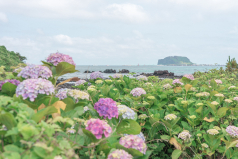
Jongdal Port is a small port also called Dumunpo Port. There are small
fishing boats and it operates as a ferry port to Udo island. The Jongdal-ri
Coastal Road is famous for the beautiful hydrangeas that bloom along
the road in spring and summer.
Jimibong peak, an observatory in Jongdal-ri
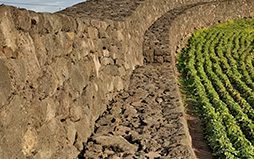
Byeolbangjin Fortress was built in 1510 during the 5th year of King Jungjong’s
reign. Jeju Governor Jang Lim established the fortress as a military base to
defend the island against Japanese invaders by relocating Gimnyeongbanghoso
and naming it Byeolbangseong Fortress
Hado-ri Migratory flyover zone, Tokkiseom Island
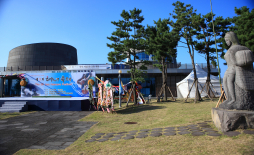
The Jeju Haenyeo Museum was built to honor
and preserve the unique culture of Jeju’s haenyeo,
or female divers. It is a place that documents
their significant social, economic, and historical
contributions, while also educating visitors.
All exhibits, both inside and outside the museum,
have been donated by haenyeo themselves.
Sehwa Folk Five-Day Market
Open Time : 08:00~14:00 (Open on the 5th, 10th, 15th, 20th, 25th and 30th of every month)
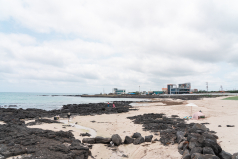
It is located between the popular Woljeong-ri beach and Sehwa beach, and
is where Jeju Olle Trail route 20 passes through.
There are many cafes and restaurants that thrive in the area. Pyeongdae-ri
in Gujwa-eup, is the most famous carrot producer in the country.
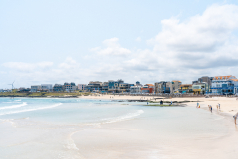
Well known for its stunning scenery, white sand and emerald water,
Jeju’s Woljeong-ri Beach is lined with charming tea houses and coffee
shops. It is a great stopover during your trip to Jeju Island, and one of
the few places where you can enjoy a truly exotic view.
Woljeong Transparent Kayak
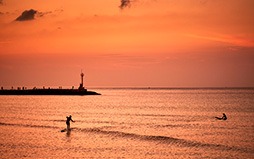
Cobalt-blue sea and pristine sand are the pride of Gimnyeong Beach, which
captures the hearts of all visitors. It has a unique topography and a geological
trail, which is a scenic walking path that highlights geological resources, village
history and cultural heritage, as part of the UNESCO World Geopark.
Gimnyeong Yacht Tour, Manjanggul Lava Cave, Gimnyoung Maze Park
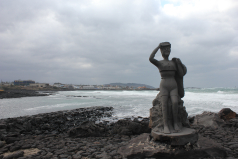
Dongbok-Ri Haenyeo-Chon, London Bagel Museum
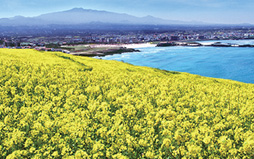
When walking on Route 19 of the Jeju Olle
Trail, you'll come across Hamdeok Beach, which
resembles a slice of the emerald sea. It's also
called 'Hamdeok Seoubong Beach' because of
Seoubong Peak, which stands right beside it.
Bukchon Neobeunsungi 4.3 Memorial Hall,
Bukchon Dolhareubang Art Museum
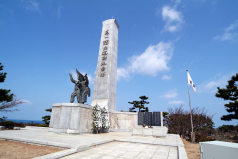
The Jeju Hangil Memorial Hall was built to collect, preserve, and exhibit
historical information on the anti-Japanese independence movement in
Jeju. It was also built to honor and develop the noble spirit of sacrifice
and independence of the people of our hometown.
Yeonbukjeong, Dakmeoreu Coastal Road
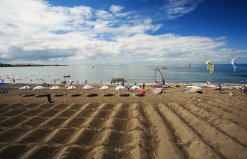
Samyang Black Sand Beach is a hidden gem as it’s relatively unknown to
tourists for the moment. As a result, it is peaceful and pristine. The beach is
particularly known for its hot black sand, which, when warmed by the sun and
massaged into the skin, is believed to help with nerve pain and arthritis.
Bultapsa Temple (5-story stone pagoda), Wondangbong Peak
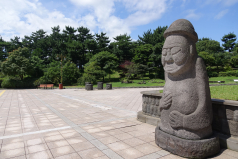
The National Jeju Museum opened in 2001 and is an archaeological and
historical museum that systematically exhibits, preserves, and studies
Jeju's history and cultural heritage.
Sarabong, Byeoldobong, Sanji Lighthouse
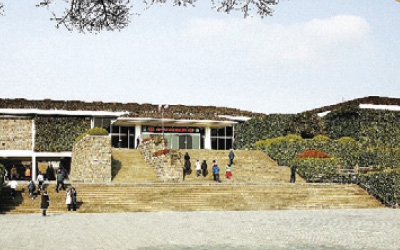
The Jeju Folklore and Natural History Museum is a place where you can deeply
look into and understand the traditional culture and natural environment that
Jeju people have preserved for a long time. You can also visit Samseonghyeol,
the birthplace of Jeju mythology, as it is located nearby.
Samsunghyeol, Jeju Unification Hall, Shinsan Park, Jeonong-ro
Noodle Street
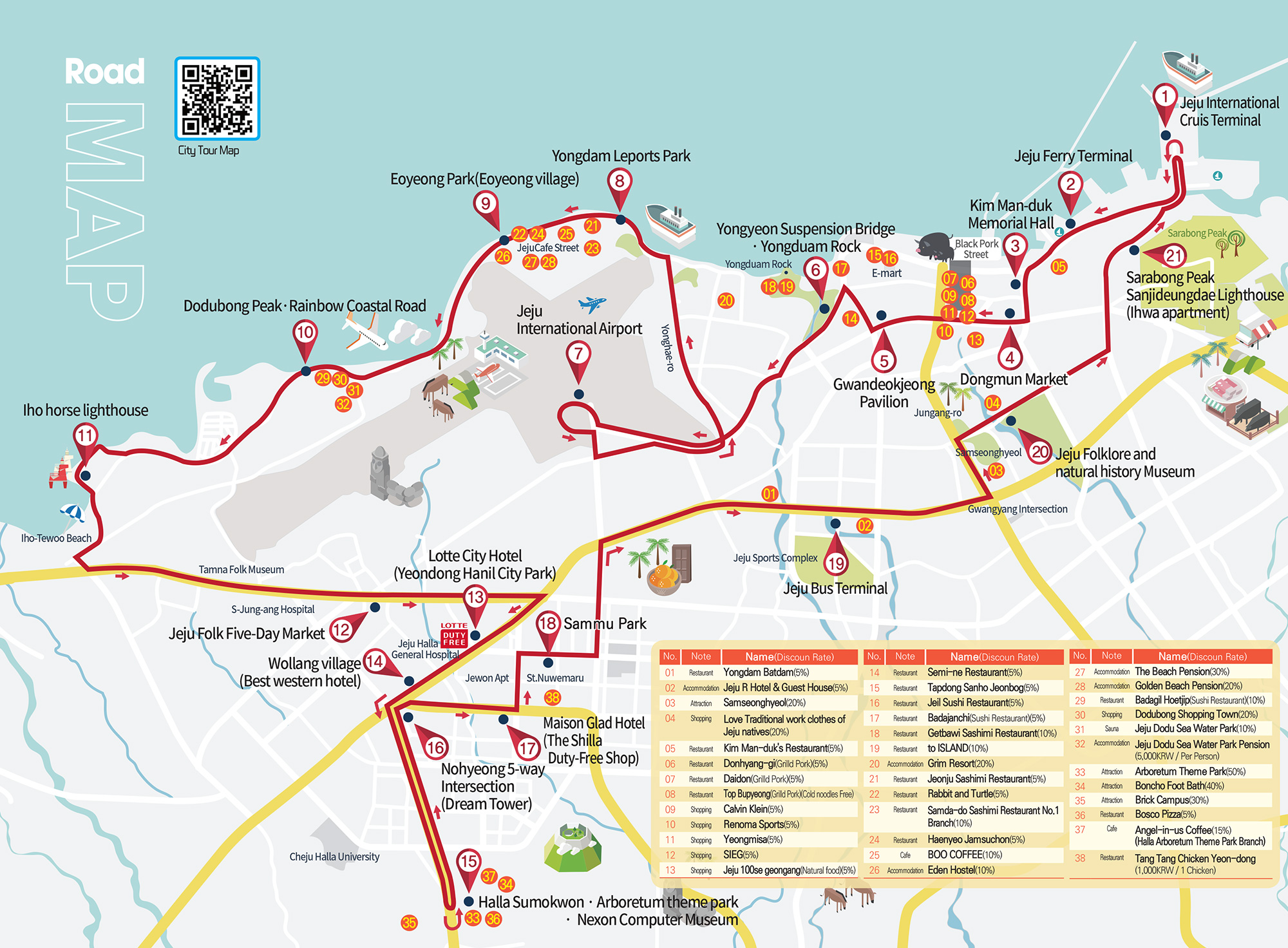
You can use the bus that connects the entire Jeju Island, such as Seogwipo, Seongsan, Hallim, and Gosan, as well as cross-roads, circuit roads, and mid-mountain roads.
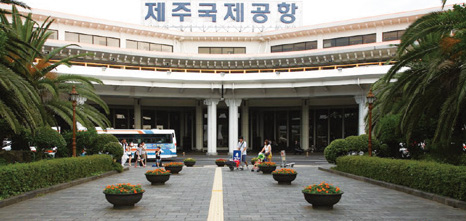
As the gateway to Jeju, which is responsible for the start and end of Jeju travel and international flights are operated daily. It is convenient to travel throug.
View by google map View video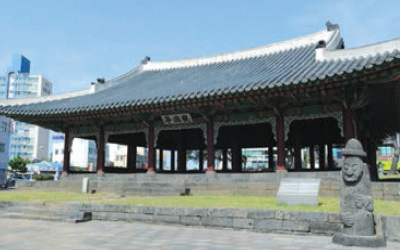
Gwandeokjeong (Treasure No. 322) was built in 1448 during the reign of King Sejong of the Joseon Dynasty for military training purposes.
It is the oldest existing construction in Jeju. Jeju Mokgwana has been the center of Jeju’s politics, administration, and culture since the Tamna Kingdom and up until the Joseon Dynasty.
Yongduam, Yongyeon, Yongyeon Bridge
Seomun Market
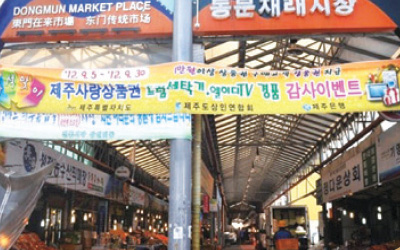
Dongmun Market, located in the heart of Jeju city, is the largest and most historic permanent traditional market in Jeju Island. During the day, you can enjoy the lively market scene that reflects the lives of Jeju Island
merchants. At night, you can enjoy the vibrant atmosphere of a night market, filled with delicious local food.
Opening hours : Dongmun Traditional Market : 08:00~21:00 / Night Marke : 18:00~24:00
Sanjicheon, Sanjicheon Gallery, Arario Museum, Tapdong Square
Jungang Underground Shopping Mall, Chilseong-ro Shopping Mall
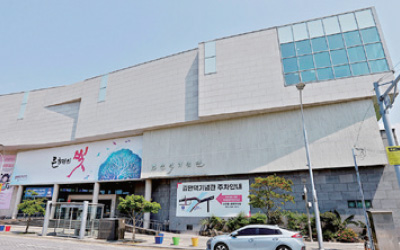
The Kim Man-deok Memorial Hall is a place to commemorate and widely spread the life and spirit of Kim Man-deok, a symbol of righteousness known for her acts of generosity and charity.
The Kim Man-deok Inn is a mini folk village with eight thatched-roof houses, divided into an observation area and an experience area.
Sanjicheon, Sanjicheon Gallery, Arario Museum, Tapdong Square
Black pork Street
Jeju ferry terminal is a place where ferries connecting various ports on the southern coast operates, and many tourists use it.
The Distillery Concentration Camp/4.3 History museum
Jeju Island is the center of cruise tourism in Northeast Asia, and many cruise tourists from China, Japan, Southeast Asia, and Europe have been visiting Jeju.